Different stages, a shared historical perspective
A student learning Bach or Vivaldi may already explore how dance rhythm, bow articulation and the shape of a phrase belong together. Historical ideas enter through repertoire and techniques that are within reach.
Someone with more experience may be preparing a Mozart concerto, studying a Bach sonata or rehearsing chamber music. The questions can become more detailed: how articulation reflects period conventions, where ornamentation belongs, or how bowing, harmony and rhetoric shape a convincing musical interpretation.
The historical perspective is shared. The technical demands and depth of exploration need not be the same.
Clear guidance, without a single prescribed version
I do not teach Baroque or Classical style as one fixed version that every violinist must reproduce.
I may demonstrate a bowing, explain its historical purpose or correct a gesture that obscures the phrase. We then explore alternatives and listen to their musical consequences.
My role is to explain, demonstrate and correct, drawing on historical knowledge. The aim is for each student to understand what changes in sound, why a choice matters and how to apply it independently.
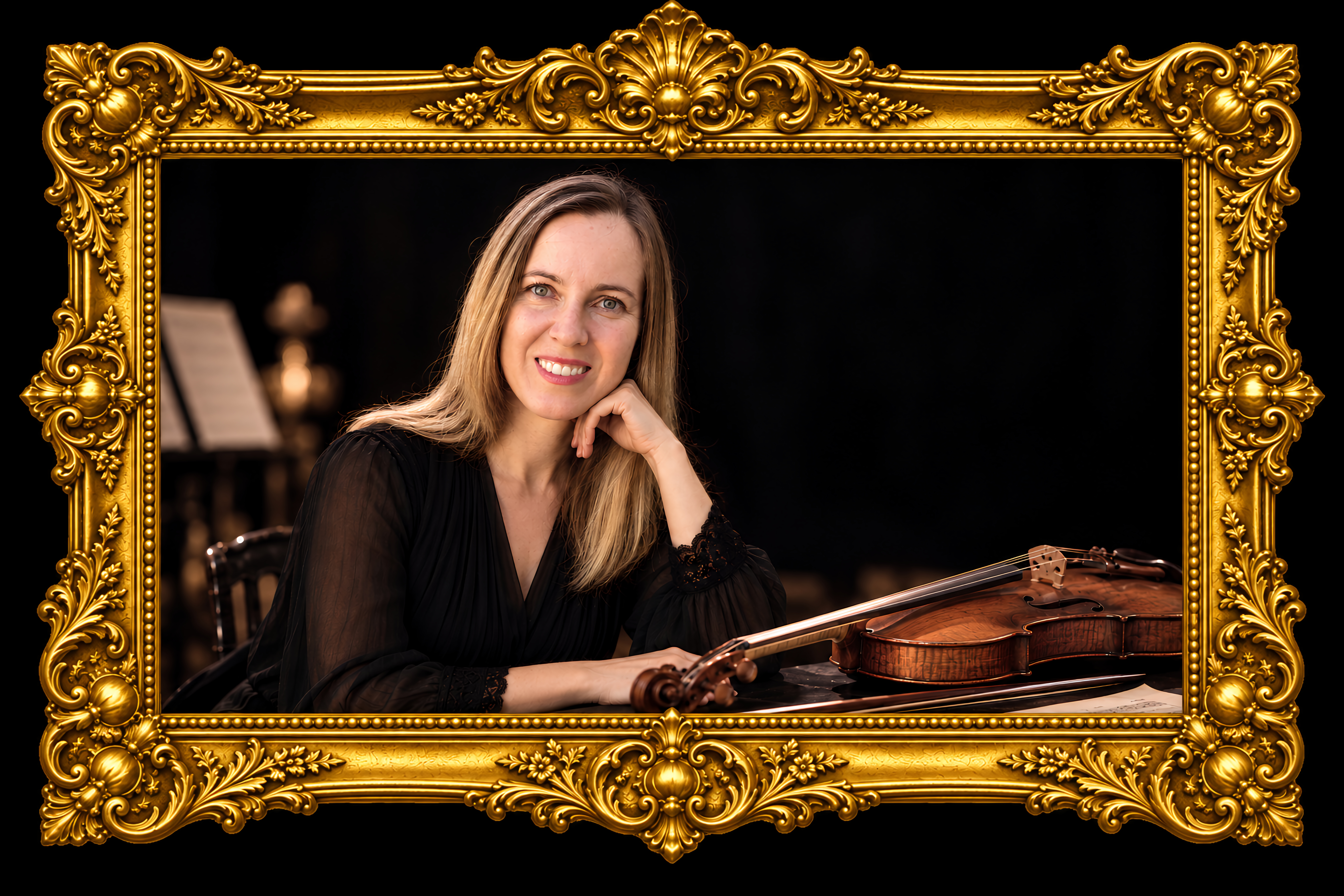
Where this teaching fits
This is specialised violin teaching, but it is not reserved for advanced or historically trained players.
I work with the technique and repertoire each student brings. The way a bow releases a note, the pulse of a dance or the shaping of a phrase can be explored at a level the player can manage. These ideas can then grow with their technique, and many can be explored using a modern violin.
This work is intended for violinists who already have some playing experience, including students in training, adult amateurs and more advanced players. What matters is an interest in Baroque or Classical music and a willingness to explore how its historical context can influence the way it is played.